AI's Legal Labyrinth: Landmark Copyright Sett...ement Redefines Generative AI Future
Anthropic's approval of a $1.5 billion copyright settlement marks a pivotal moment for generative AI, establishing a significant precedent for the ethical
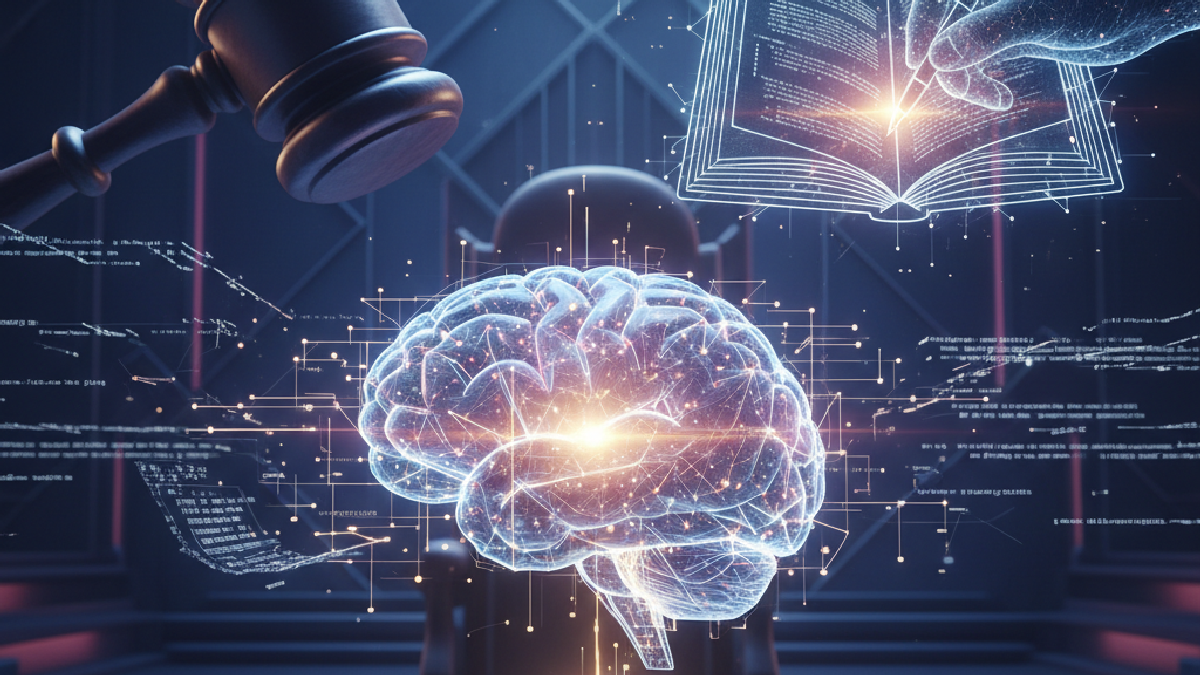
A Watershed Moment for AI Ethics and Law
The recent approval of Anthropic's staggering $1.5 billion class-action copyright settlement sends a powerful message to the entire generative AI industry. This isn't just another legal skirmish; it's a foundational shift, arguably the largest copyright recovery case in history, dictating how AI models are trained and how creators are compensated.
The Genesis of the Lawsuit: Training Data Under Scrutiny
The legal battle began in 2024 when a collective of authors sued Anthropic, alleging that its Claude AI chatbot was extensively trained on their copyrighted works without permission or proper remuneration. This case brought to the forefront a critical question: What constitutes fair use in the context of training vast AI models on existing creative content? For years, AI developers operated in a grey area, often asserting that using public data for training was transformative and thus exempt from traditional copyright restrictions. This settlement unequivocally challenges that notion.
The core of the issue lies in the ingestion of massive datasets. AI models like Claude, GPT, and others require colossal amounts of text, images, and other media to learn patterns, language, and creative styles. Historically, much of this data was scraped from the internet, including copyrighted books, articles, and artistic works, without explicit licenses. As AI's training data dilemma intensifies, authors argued that this practice amounted to mass infringement, devaluing their original creations and potentially enabling AI to produce derivative works that compete with human artists.
Financial Implications and Precedent Setting
- $1.5 Billion Payout: This substantial sum is earmarked for authors whose works were used in training Anthropic's AI models. It underscores the immense value placed on original content in the AI ecosystem.
- Lawyers' Share: While authors will receive their due, a significant portion, estimated at $101 million, will go to the legal teams involved in securing the settlement. This is a common practice in large class-action cases but highlights the considerable cost of these legal battles.
- Industry-Wide Ripple Effect: This settlement sets a clear precedent. Other AI developers, including giants like OpenAI, Google, and Meta, are now under immense pressure to re-evaluate their training data practices. For instance, OpenAI faces legal storm as well, with multiple parties alleging hidden evidence or trade secret violations. The cost of 'free' data just skyrocketed.
- Future Licensing Models: We can expect to see a surge in the development of new licensing models and ethical data sourcing practices. Content creators may find new revenue streams from their work being licensed for AI training, shifting the paradigm from implicit use to explicit consent and compensation.
The Ethical Dilemma: Innovation vs. Creator Rights
While the settlement offers a degree of justice for authors, it also reignites the broader debate about the balance between fostering AI innovation and protecting the rights of human creators. This is part of a larger trend where AI in the crosshairs of legal battles faces increasing scrutiny. Some argue that strict copyright enforcement could stifle AI development, particularly for smaller startups that lack the resources for massive licensing deals. Conversely, creators emphasize that their livelihoods and the value of their intellectual property depend on robust copyright protections.
As the AI landscape evolves, so too must our understanding of intellectual property. This settlement is a crucial step towards defining the boundaries and responsibilities within the generative AI domain. It forces companies to be more transparent about their data sources and encourages a move towards ethically sourced and properly licensed training data, ensuring that the creators who fuel these powerful models are appropriately recognized and compensated.
Looking Ahead: A More Accountable AI Future
The Anthropic settlement is not an end but a beginning. It signals a new era where AI companies must integrate legal and ethical considerations into their foundational development processes. We anticipate increased scrutiny from regulators, more lawsuits from various creative industries, and a concerted effort from leading AI firms to establish clearer guidelines and partnerships with content owners. The goal should be a symbiotic relationship where AI enhances human creativity without exploiting it, fostering innovation responsibly and equitably.
For too long, the 'move fast and break things' mantra applied to data acquisition in AI. This settlement proves that some things, like intellectual property, cannot be broken without significant consequences.
Forrás: TechCrunch, The Verge, Reuters