The Rise of Local AI: Apple, Perplexity, and the Decentralized Future
Amidst the cloud-dominated AI landscape, a significant shift towards local AI processing is gaining momentum, led by key players like Apple and the Perplex
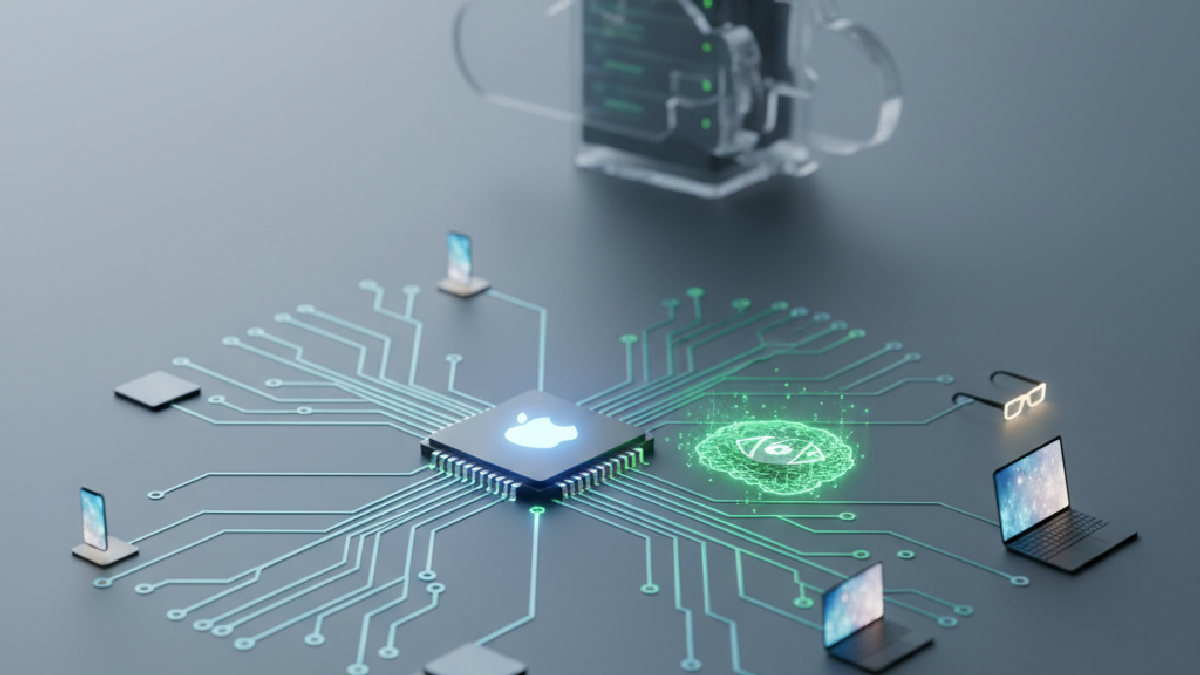
The Decentralization of Intelligence: AI Moves Closer to You
For years, the narrative around artificial intelligence has been largely centralized, with massive cloud data centers housing the computational power needed for training and inference. However, a compelling counter-trend is rapidly emerging: the push for local AI. This paradigm shift, spearheaded by tech giants and innovative startups alike, promises a future where sophisticated AI models run directly on your devices, offering unprecedented privacy, cost efficiency, and performance.
Apple's Strategic Bet on On-Device AI
Apple, a long-time proponent of privacy and hardware-software integration, is doubling down on local AI. Their latest Mac Studio and Mac Mini computers are engineered with specific optimizations for on-device AI inference. As Ars Technica reports, these machines are not just powerful general-purpose computers; they are designed to be local AI development powerhouses, reflecting Apple's vision for a future where AI tasks are handled on the user's machine whenever possible.
This strategy aligns perfectly with Apple's ecosystem, allowing for:
- Enhanced Privacy: User data stays on the device, minimizing exposure to cloud servers and potential breaches.
- Offline Capabilities: AI functionalities remain accessible even without an internet connection.
- Lower Latency: Processing on-device eliminates network delays, leading to faster, more responsive AI interactions.
- Cost Savings: Reduces reliance on costly cloud-based inference, benefiting both users and developers.
The company recognizes that the increasing demand for AI processing needs to be met not just by scaling cloud infrastructure, but also by empowering end-user devices. This move is particularly impactful for developers who can now build and test complex AI models with powerful local resources, fostering innovation closer to the user.
Perplexity and Nvidia Forge a Path to Zero-Cost Local Agents
Further solidifying the local AI movement is the groundbreaking partnership between Perplexity and Nvidia, leading to the launch of a portable computer featuring a fully local AI agent. As highlighted by VentureBeat, this initiative is one of the most aggressive attempts to shift serious AI agent workloads away from the cloud. The key innovation here is the ability to run AI models, user files, and entire tasks directly on the machine, consuming no billing credits.
This 'portable computer' represents a significant leap:
- Default Local Processing: Every task starts on the device by default, with the system seeking explicit permission before offloading any step to a more powerful cloud-based frontier model.
- Zero Token Costs: Eliminating reliance on cloud APIs means users can perform extensive AI tasks without incurring per-token charges, a major cost-saving for both individuals and enterprises.
- Agent Autonomy: While enterprises are learning to limit agents' autonomy in some contexts, the ability for these agents to perform complex, multi-step tasks locally without constant cloud communication represents a new level of on-device sophistication.
This collaboration underscores Nvidia's commitment to enabling AI everywhere, not just in data centers. By making powerful AI accessible and affordable on local devices, they are democratizing access to advanced AI capabilities.
The Broader Implications: Redefining AI Interaction
The shift towards local AI is not merely a technical optimization; it's a fundamental redefinition of how we interact with artificial intelligence. Imagine an AI assistant that truly understands your personal context because it processes all your data locally, ensuring privacy. Or a creative AI tool that generates content instantly on your workstation without relying on an external server.
This trend also resonates with concerns about AI's energy footprint. While local processing isn't without its own energy demands, decentralizing computation can potentially lead to more efficient overall energy use compared to the constant data transfer and massive server farms required for purely cloud-based AI. It also empowers users, giving them more control over their data and their AI tools.
The development of efficient AI models that can run on consumer-grade hardware, coupled with specialized chip designs from companies like Apple and Nvidia, is making this vision a reality. As AI becomes increasingly pervasive, the ability to keep intelligence 'on-device' will be a crucial differentiator, shaping the future of privacy, performance, and accessibility in the AI landscape.
Forrás: Ars Technica, VentureBeat